

15 Dec Complete Guide to Professional Thatching Services in the UK
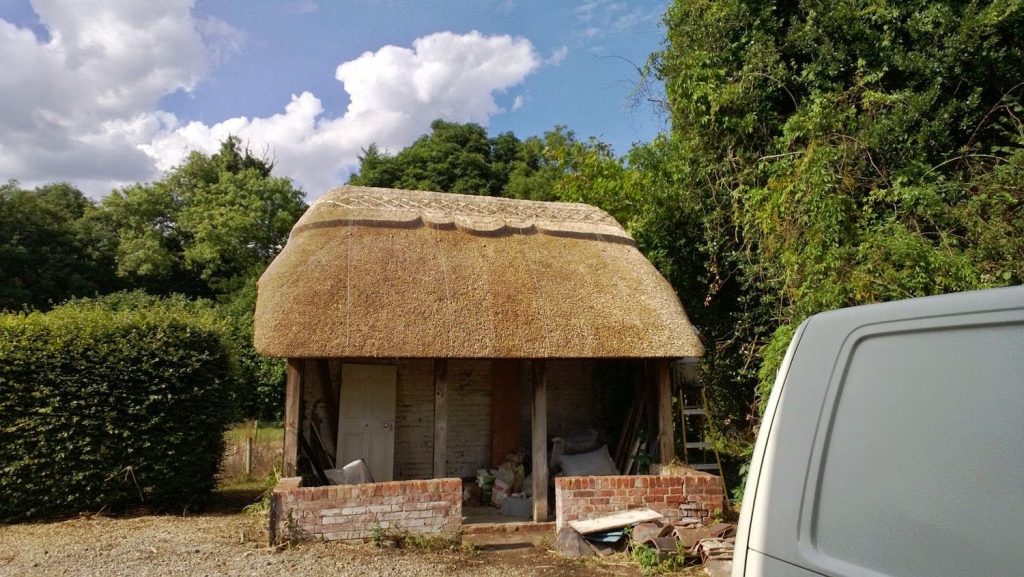
Thatching is one of the oldest roof-building techniques in the UK, and even today, it remains a highly valued craft. A professionally thatched roof does more than protect—it adds charm, character, insulation, and heritage value to any property. Whether you own a period cottage, a listed building, a countryside home, or a bespoke garden structure, regular maintenance and expert craftsmanship are essential to ensure longevity.
This guide explains every major thatching service—complete re-thatch, thatch repair, ridge work, and the construction of porches, walls, and gazebos—to help you understand what your property needs and why expert thatchers are so important.
Why Thatching Is Still One of the Best Roofing Choices
Thatching remains popular across the UK because of its timeless beauty and practical benefits. A well-maintained thatched roof offers:
- Excellent natural insulation
- A warm and traditional appearance
- Durability when properly installed
- Strong resistance to wind and weather
- Eco-friendly materials with low environmental impact
A thatched roof is more than a feature—it’s an investment in your property’s identity and long-term value.
1. Complete Re-Thatch — When Your Roof Needs a Full Renewal
A complete re-thatch is typically required when the roof has reached the end of its natural lifespan. Depending on the type of material used, a thatched roof can last anywhere from 20 to 40 years, but eventually, it will require a full replacement.
What a Complete Re-Thatch Includes
- Removal of all existing thatching material
- Inspection and repair of the roof structure
- Installation of fresh reed or straw
- New fixings, netting, and detailing
- A completely renewed ridge
Signs You May Need a Full Re-Thatch
- Deep wear across the entire roof
- Visible fixings or uneven layers
- Heavy moss or bird damage
- Leaks or damp patches inside the property
A full re-thatch brings your roof back to as-new condition, improving durability, weather protection, and visual appeal.
2. Thatch Repair — Cost-Effective Solutions for Minor Damage
Not every roof needs a full replacement. Many issues can be solved through professional thatch repairs, which help extend the life of your existing roof while maintaining structural protection.
Common Types of Thatch Repairs
- Patch repairs on worn sections
- Fixing bird or rodent damage
- Replacing slipped thatch or exposed fixings
- Moss removal and tidying
- Strengthening weak areas before winter
Benefits of Timely Repairs
- Prevents bigger and more expensive issues
- Keeps your roof watertight
- Improves insulation performance
- Extends the lifespan of the main coat
- Maintains the appearance of your property
Regular inspections and minor repairs help keep your thatched roof in beautiful condition year-round.
3. Ridge Work — Essential Protection for Your Thatch
The ridge is the topmost line of your thatched roof and plays a crucial role in weather protection. Because it takes the most impact from rain and wind, the ridge often needs replacing every 8–12 years.
Types of Ridge Styles
- Block Ridges
- Decorative Ridges
- Flush Ridges
Why Ridge Replacement Matters
- Protects the main roof coat
- Prevents water from penetrating the thatch
- Enhances the roof’s appearance
- Maintains structural integrity
Whether you prefer a simple, traditional finish or a decorative pattern, high-quality ridge work is essential for maintaining your roof’s longevity.
4. Porches, Walls & Gazebos — Thatching Beyond the Main Roof
Thatching isn’t limited to houses. Many homeowners choose to add traditional charm with beautifully thatched porches, walls, and garden gazebos. These structures create unique focal points and enhance property aesthetics.
Thatching for Additional Structures
- Garden gazebos with a rustic, countryside feel
- Porch roofs designed to match the main house
- Decorative thatched walls for outdoor seating areas
- Bespoke designs for garden buildings and summerhouses
Why Property Owners Love These Features
- Adds character and kerb appeal
- Blends perfectly with countryside or heritage homes
- Provides shade, shelter, and style
- Built to match the craftsmanship of the main roof
Whether for functional or decorative purposes, these additions increase the overall beauty and value of your property.
How Often Should a Thatched Roof Be Maintained?
Regular upkeep is the key to a long-lasting thatched roof. Most experts recommend:
Maintenance Timeline
- Annual inspection
- Ridge replacement every 8–12 years
- Patch repairs whenever damage appears
- Full re-thatch after 20–40 years (depending on materials)
Routine care prevents costly issues and keeps your roof looking its best.
Choosing the Right Professional Thatching Team
Thatching is a specialist craft requiring years of training, experience, and attention to detail. When selecting a thatcher, look for:
- Proven experience with traditional and modern techniques
- Portfolio of completed work
- Knowledge of local planning and listed-building regulations
- Use of high-quality materials
- Transparent quotes and timelines
The right team ensures durability, safety, and beautiful results that stand the test of time.
Final Thoughts
A thatched roof is one of the most charming and iconic features a property can have—but it requires expert care. Whether you need a complete re-thatch, minor repairs, new ridge work, or beautifully crafted porches, walls, and gazebos, choosing skilled thatching specialists ensures your home stays protected, warm, and visually stunning for years to come.
Thatching is more than roofing—it’s an art. And with proper maintenance and craftsmanship, your roof will continue to be a defining feature of your property.
For expert thatching advice, repairs, or a free no-obligation quote, feel free to contact us anytime.